
Transport, Mobility & Travel Innovation Case Studies
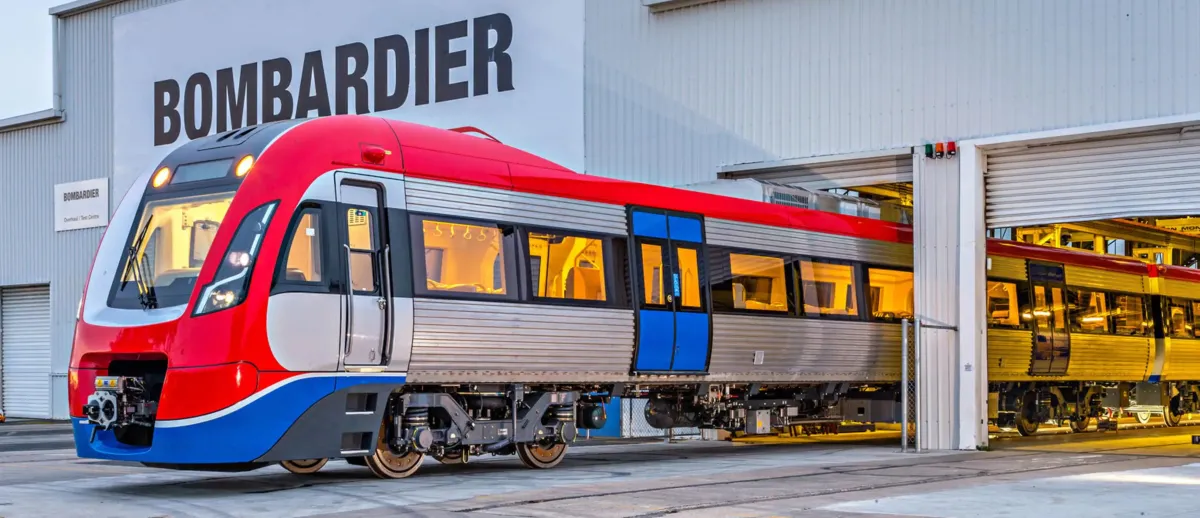

How to Improve Rail Without Rebuilding Rail - UK
Bombardier wanted to improve the commuter experience on UK rail, but not through guesswork or “nice ideas”. They needed to find the real friction points that make travel feel unreliable, unfair, or stressful, then design solutions that could actually be implemented within transport constraints.
Over 3 months in the UK, we ran field research and commuter interviews, mapped the end-to-end journey, and translated pain points into a set of prioritised solutions. The work stayed grounded in operational reality. If it could not work in the real system, it did not make the list.
Two solutions were implemented and rolled out across the UK. We introduced sensors in seats to detect when a booked seat was damaged or out of service, reducing the frustration of “reserved but unusable” travel. We also introduced passenger load displays so commuters on platforms could see, before the train arrived, which carriages were less crowded if they wanted to sit down. Small changes, but the kind that immediately improve perceived reliability and control.
The point is simple. Better commuter experiences come from better evidence, then practical design that respects how transport systems actually run.
Transform your team
Our unique "Know-The-Customer" (KTC) programme that embeds consumer psychology, advanced interviewing and insights decoding skills throughout your next sprint or project, so your team produces decision-grade customer evidence leaders can align around.
If you’re trying to level up a team, this is your next step.
“It’s not what they drive that counts but what drives them.”
Gary van Broekhoven
Copyrights 2026 | WhatDrivesThem™ | Terms & Conditions