
How to Master the Art of Elegant Failure in Your Innovation Strategy (Without Looking Like You Gave Up)
Open Innovation vs Closed Innovation: Why the Real Difference is Behavioural, Not Structural
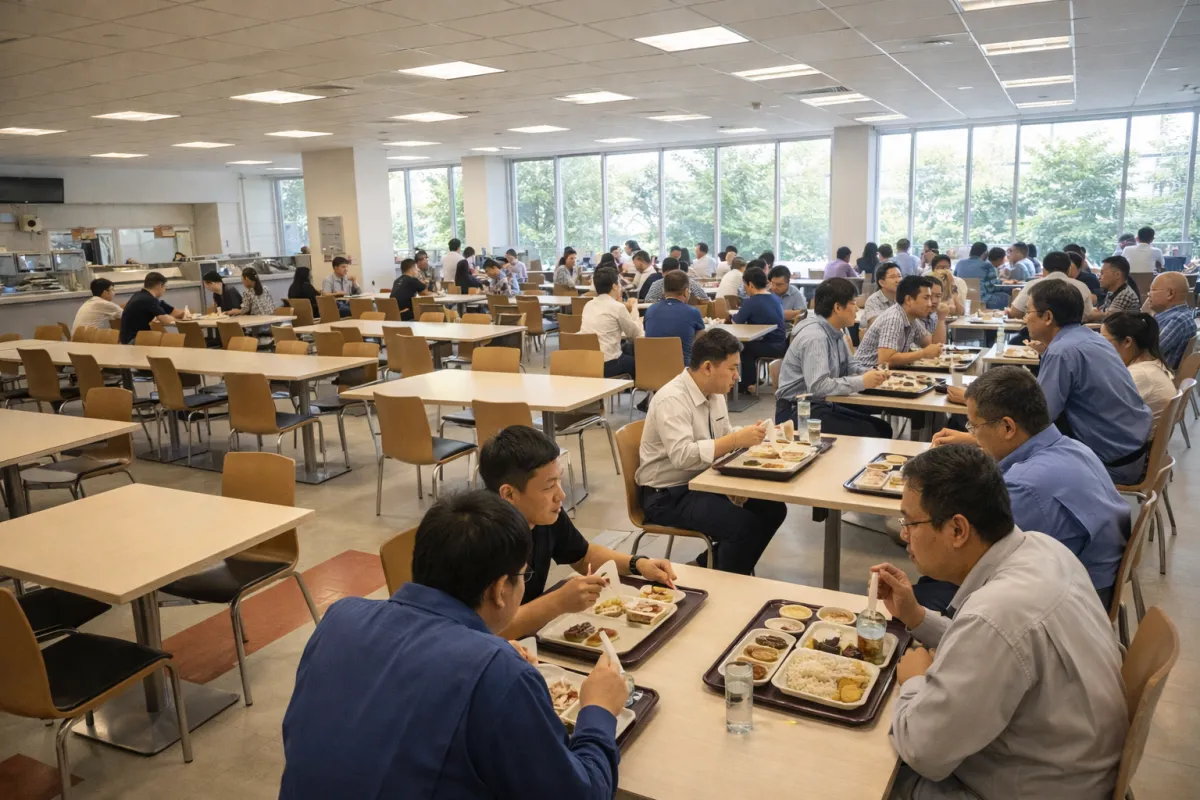
Your team probably has 101 ideas. I know this because I've watched it happen in a hundred conversations over lunch.
People sit in the canteen, at their desks, in the car park, and they talk about what they'd do differently. How they'd fix the process. What customers actually want. Why that product launch is going to fail. They have opinions, insights, and solutions they're genuinely excited about.
Then Monday morning arrives and they walk into a meeting where the innovation programme has launched. Expensive platform. Sleek interface. A banner email from the C-suite about culture change. The ideas from Friday's lunch disappear. Nothing gets submitted. The platform goes quiet.
Most organisations assume this is a failure of structure. So they do what organisations always do: they build something bigger. Better platform. Clearer process. More integration. More metrics. More pressure on teams to contribute.
And still nothing happens.
The real difference between open and closed innovation isn't structural. It's behavioural.
The Platform Paradox
Here's what I think is happening. When you ask people to contribute ideas to a formal system, you've changed the game entirely. Lunch conversation is safe. It's informal. There's no record. No judgment. No metrics counting whether your idea was "good enough." Nobody's building a case for promotion on the back of it.
A platform is different. It's formal. It's documented. It's evaluated. And suddenly, all the invisible rules about who contributes, whose ideas get heard, and what happens if you fail come into sharp focus.
In closed innovation cultures, contribution is risky. You might look stupid. You might challenge someone senior. You might propose something that makes your boss uncomfortable. The organisation says it wants ideas, but the behaviours reward certainty, not experimentation. They reward people who already have status, not new voices. They reward ideas that fit the strategy, not ideas that might blow it up.
So people don't contribute. Not because they don't have ideas. Because the environment didn't change, only the platform did.
IDEO's open innovation model works differently. They created a system where anyone, from any background, any skillset, could bring an idea and contribute to solving problems. Not because they built the cleverest platform. Because they designed the behaviours and culture around contribution. They made it psychologically safe. They removed the invisible gatekeepers that whisper "people like you don't contribute here."
The Coaching Principle
There's something from coaching that applies perfectly here. A good coach doesn't solve the client's problem. The client has the solution already. They're just stuck. The coach creates a safe space and asks the right questions. The solution emerges because the person felt trusted enough to think out loud.
Open innovation works the same way. Your people have the ideas. They're thinking about them at lunch. The question isn't whether to build a platform. The question is whether you've built a culture where they feel safe bringing those ideas to the surface.
This isn't against platforms or metrics. I'm not a romantic about it. Platforms can help. Metrics can focus effort. But they're tools. They don't create behaviour change on their own. In fact, they often make things worse if the underlying culture hasn't shifted.
What Closed Innovation Actually Looks Like
In closed innovation, the invisible rules are these: ideas come from the top, or from people who have already earned the right to have ideas. Contributing means putting your head above the parapet. Failure is something you hide, not learn from. The process is secret. Winning means your idea got selected, which means everyone else's got rejected.
That's demoralising. It's also not how creativity actually works.
Open innovation flips those rules. Anyone can contribute. Ideas are explored, not immediately judged as good or bad. Failure is information, not career damage. The process is transparent. Winning means we solved the problem, not that your idea beat someone else's.
That requires behaviour change. It requires different conversations. Different meeting styles. Different ways of evaluating ideas. Different reward systems. Different ways of responding when someone takes a risk and it doesn't work out.
The One Thing to Change This Week
Map the invisible barriers to contribution in your organisation. Who wouldn't share an idea, and why?
Walk around. Listen in. Ask people directly. You'll find them. "I didn't think that was my place to comment." "I was worried it would look like I was criticising." "I knew it wouldn't fit the strategy so what's the point." "I've tried before and nothing changed."
Pick one barrier. The one that feels most fixable. And remove it.
Maybe it's who's invited to the brainstorm. Maybe it's how ideas are evaluated. Maybe it's how you respond to an idea that challenges the status quo. Maybe it's creating a space where people can fail without political fallout.
One change. One barrier removed. And watch what happens to the ideas over lunch.
---
The difference between open and closed innovation isn't the platform. It's whether people believe they're genuinely safe to think out loud.